

Join 42,000+ clients that have chosen Robinson & Henry for their legal representation


Latest at R&H


Our services



Family Law / Attorneys



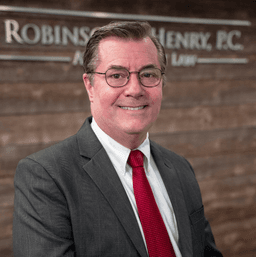











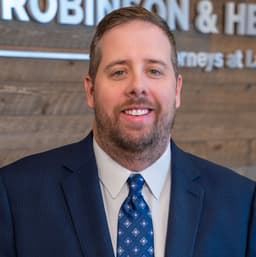
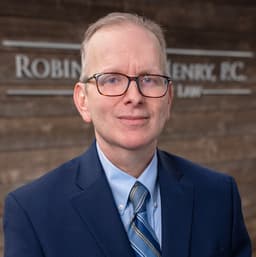


Attorney reviews
6,477
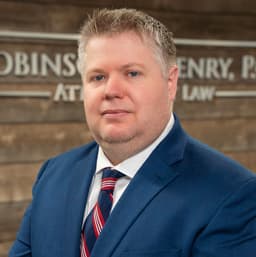
Oct 26, 2026"Very informative and genuinely seem to care about my situation. He spent extra time explaining."

Oct 26, 2026"Helpful, kind, and understanding."

Oct 23, 2026"Nick was so helpful and made me feel a lot more comfortable with the process. He really put my mind at ease."
Oct 23, 2026"Mr. Thompson was such a pleasure to speak with. Knowledgeable, professional, courteous, and wise. He provided the best guidance and advice, and thoroughly answered all my questions. He was attentive, and thorough."

Oct 23, 2026"Kelly Snodgrass was super easy to work with. Highly recommend!"

PartnerBusiness Representation, Commercial Litigation, Contract Disputes, General Litigation, Litigation, Real Estate
Oct 22, 2026"Steve Whitmore was extremely knowledgeable and put my mind at ease with his guidance."
Oct 26, 2026"Very informative and genuinely seem to care about my situation. He spent extra time explaining."
Oct 26, 2026"Helpful, kind, and understanding."
Oct 23, 2026"Nick was so helpful and made me feel a lot more comfortable with the process. He really put my mind at ease."

Our offices
Broomfield
Contact8001 Arista Place, Suite 420
Broomfield, Colorado 80021
Office hours
Mon-Fri: 8:30 am - 5:30 pm
Client support center: 720-356-4359
Mon-Fri: 7:30 am - 6:00 pm
Castle Rock
Contact900 Castleton Road, Suite 200
Castle Rock, Colorado 80109
Office hours
Mon-Fri: 8:30 am - 5:30 pm
Client support center: 303-688-0944
Mon-Fri: 7:30 am - 6:00 pm
Colorado Springs - Downtown
Contact2 North Cascade Avenue Suite 1000
Colorado Springs, Colorado 80903
Office hours
Mon-Fri: 8:30 am - 5:30 pm
Client support center: 719-223-9522
Mon-Fri: 7:30 am - 6:00 pm
Colorado Springs - North
Contact1975 Research Parkway, Suite 100
Colorado Springs, Colorado 80920
Office hours
Mon-Fri: 8:30 am - 5:30 pm
Client support center: 719-284-6262
Mon-Fri: 7:30 am - 6:00 pm
Denver - Downtown
Contact518 17th St., Suite 1125
Denver, Colorado 80202
Office hours
Mon-Fri: 8:30 am - 5:30 pm
By appointment only
Client support center: 720-439-9065
Mon-Fri: 7:30 am - 6:00 pm
Denver - South Metro
Contact7555 East Hampden Avenue, Suite 600
Denver, Colorado 80231
Office hours
Mon-Fri: 8:30 am - 5:30 pm
Client support center: 303-338-2365
Mon-Fri: 7:30 am - 6:00 pm
DTC
Contact8000 South Chester Street, Suite 125
Centennial, Colorado 80112
Office hours
Mon-Fri: 8:30 am - 5:30 pm
Client support center: 720-439-6046
Mon-Fri: 7:30 am - 6:00 pm
Highlands Ranch
Contact1805 Shea Center Drive, Suite 180
Highlands Ranch, Colorado 80129
Office hours
Mon-Fri: 8:30 am - 5:30 pm
Client support center: 720-531-9121
Mon-Fri: 7:30 am - 6:00 pm